
We’re taking you behind the scenes with Zack Sporte—a dedicated beekeeper and one of the inspiring voices in Issue 04: Fruit Ridge. In this Q&A, Zack shares what he loves most about beekeeping, the unique flavors of honey, what it takes to be a beekeeper, and the many delicious ways he enjoys honey in the kitchen.
Read on for all the buzz!
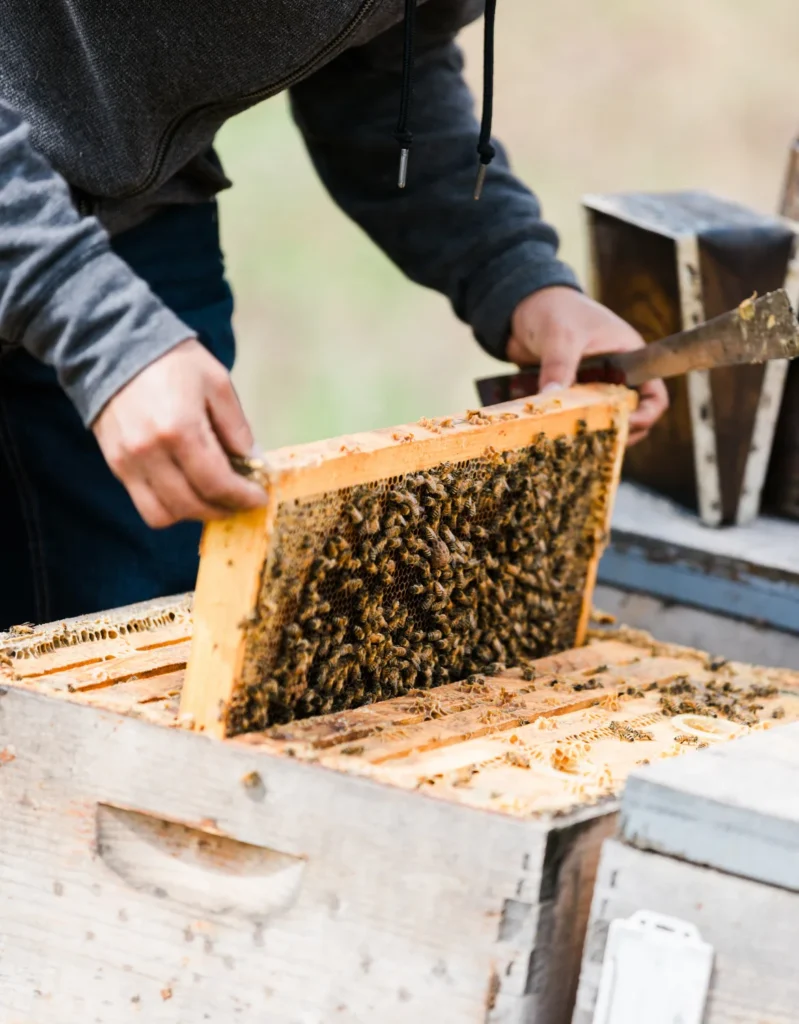
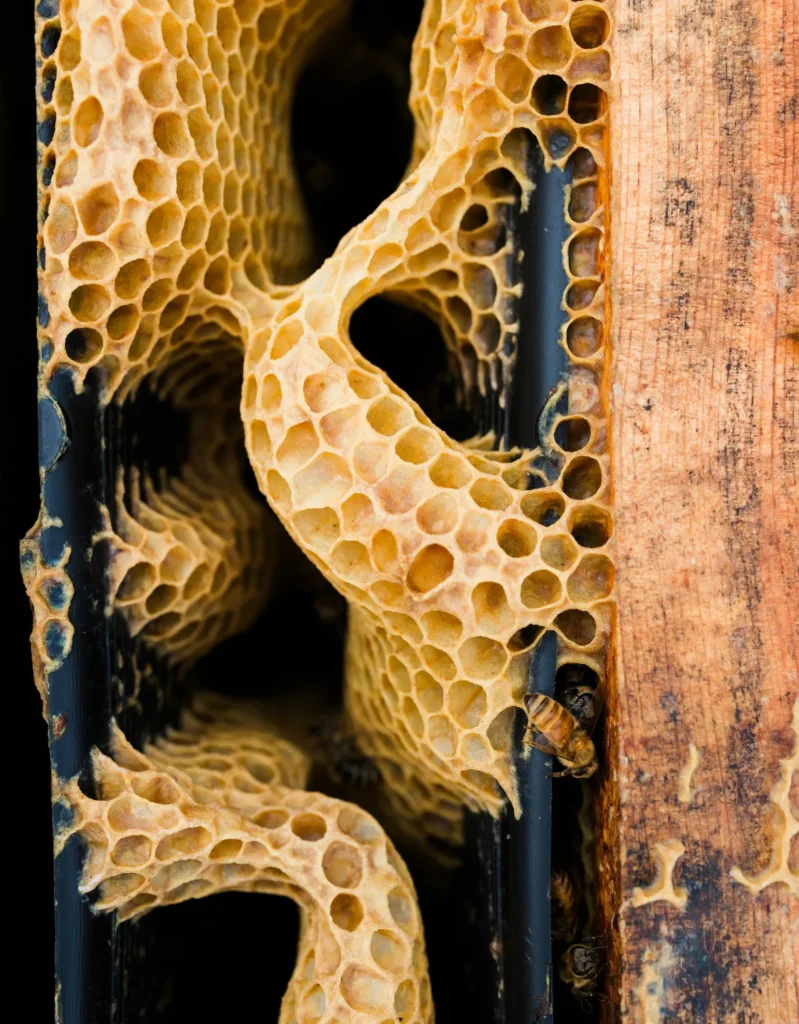
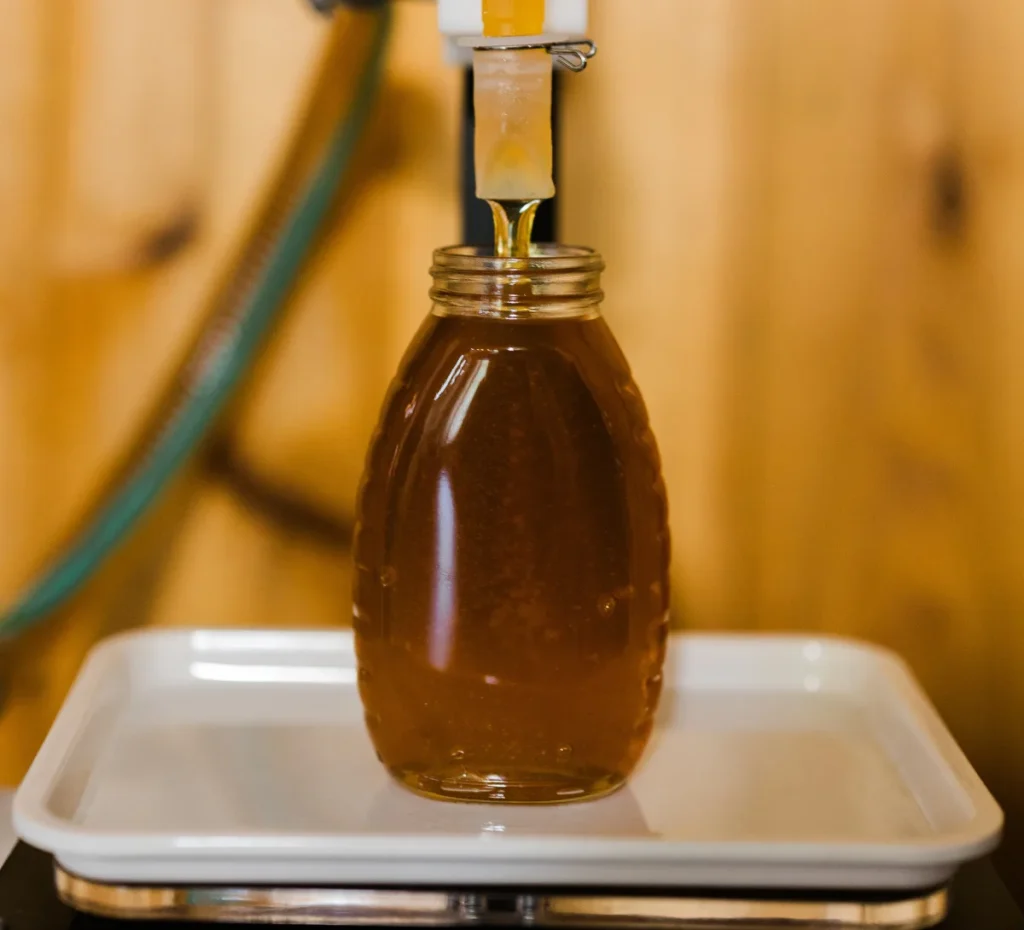
My favorite thing about beekeeping is harvesting our honey crop after a long year of work. There’s just something special about finally seeing all that effort pay off. A ton of work goes into keeping our bees healthy—from checking on them through the heat to making sure they’ve got enough food in the winter. It’s not always easy, but when I see that honey flowing into bottles, it makes every bit of it worth it
One of my favorite ways to use our honey is in homemade bread. It makes the bread sweeter, softer, and full of flavor. I also love drizzling a little over fresh bread straight from the oven.

Bee Sting Cake is a well-known traditional dessert from Germany. I didn’t know this, but legend has it, the cake got its name from a baker who used beehives to fend off invaders and then celebrated his victory by making this cake. My mom made it using a soft, airy dough that’s baked, sliced horizontally, and filled with creamy vanilla custard. What really makes it special is the honey and almond topping spread over the dough before baking. We used our own honey in the recipe, which added the sweet flavor!
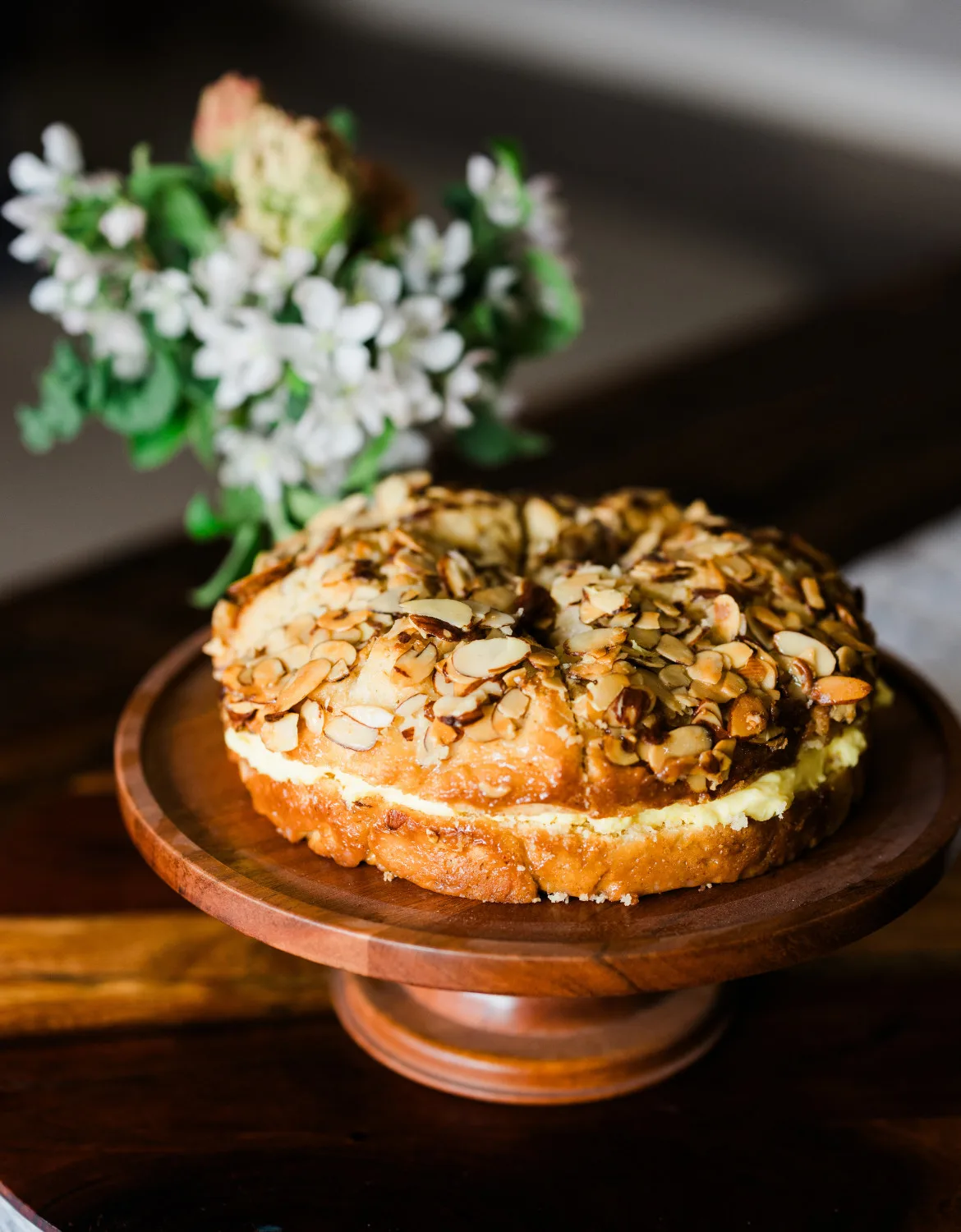
Bee Sting Cake made by Kelly Sporte, Zack’s mother.
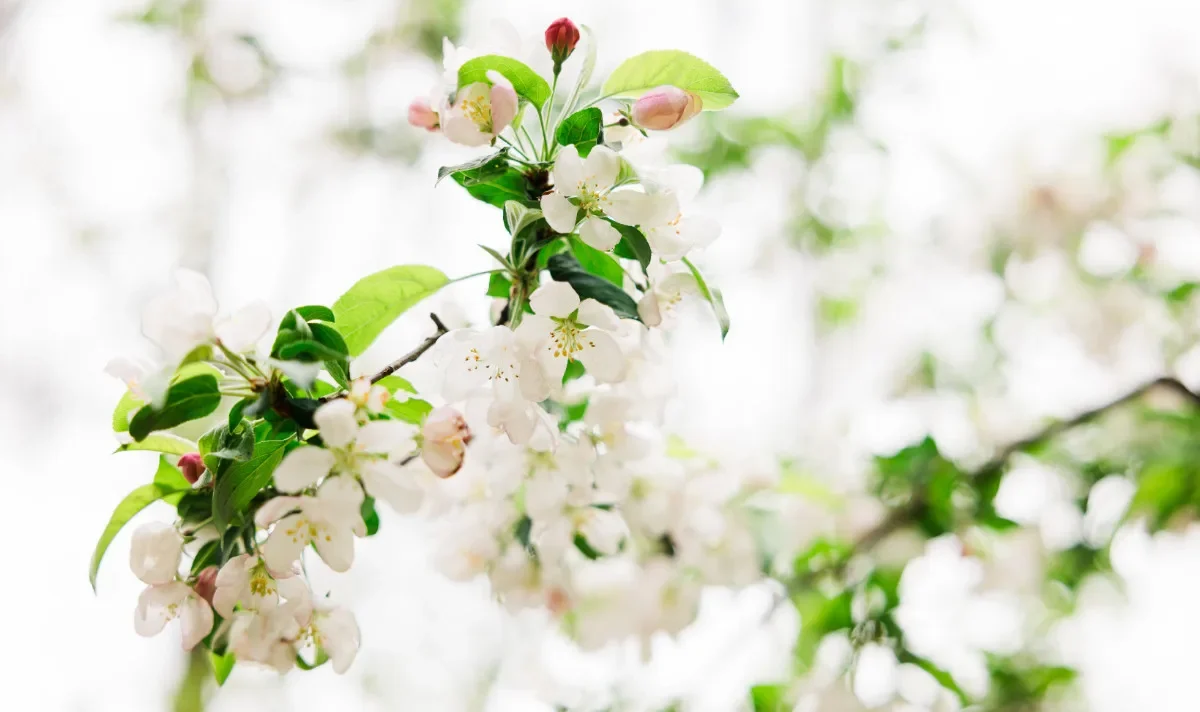
The bees usually forage and find whatever’s blooming during the season. In the spring, I’ve noticed they really go after the black locust and basswood trees. Those produce a light, sweet honey with a smooth, mild flavor. As the season moves into late summer, the bees start working the star thistle and purple loosestrife. Star thistle honey is lighter in color and has a really good flavor, while purple loosestrife honey is pretty unique—it actually has a greenish tint to it and a stronger, bolder taste. It’s awesome seeing how different the honey can be from spring to summer, depending on what flowers the bees find.
How many stings this season (be honest)? I probably got stung over 200 times this season.
Raw honeycomb or liquid honey? Raw honeycomb: honey in the most natural form.
Honey pairs best with…? Some fresh rolls with butter.
One word to describe beekeeping? Rewarding. I think it really is rewarding to watch these small insects work together to produce so much honey.
I’d tell them to start small and really take the time to learn. I learned about bees by watching videos and reading books for about two years before I actually saw a beehive in real life for the first time. One or two hives is a good number when you’re getting started. When I first began, I spent a lot of time watching the bees and learning how they work. That hands-on time really teaches you more than any book. Make sure your bees come from a good local and reputable beekeeper. And most of all, be patient. It takes time to figure things out, and you probably won’t get honey to harvest your first year—but once you do, it’s one of the most rewarding things you’ll ever do.
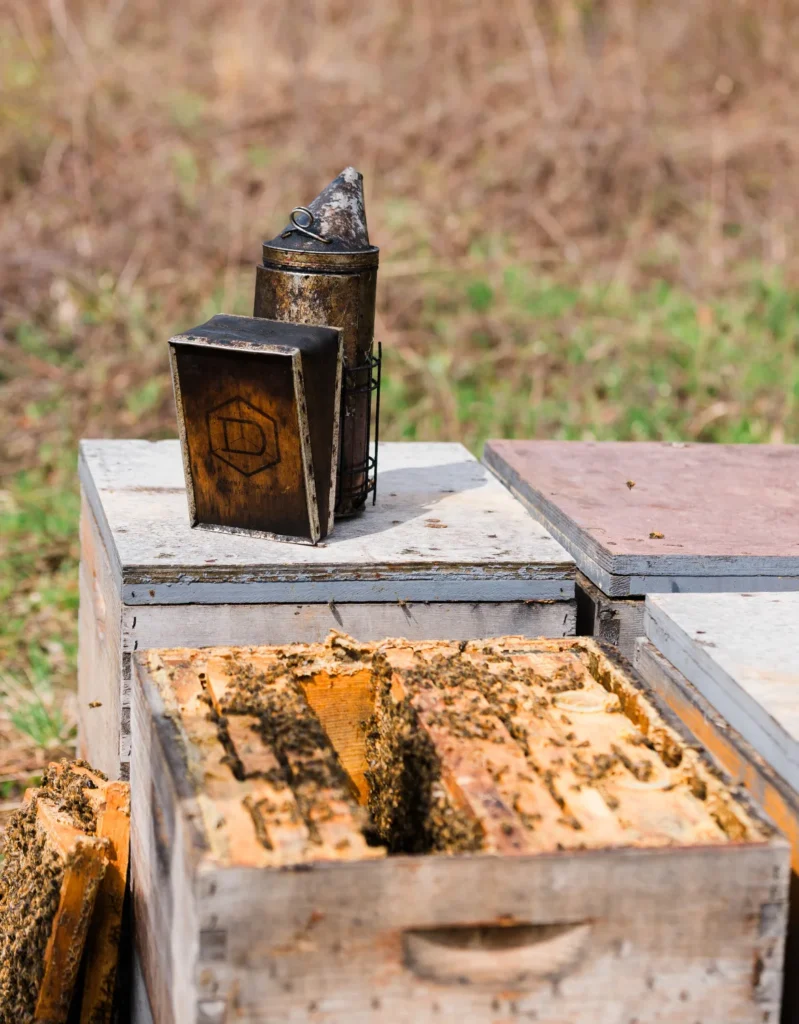
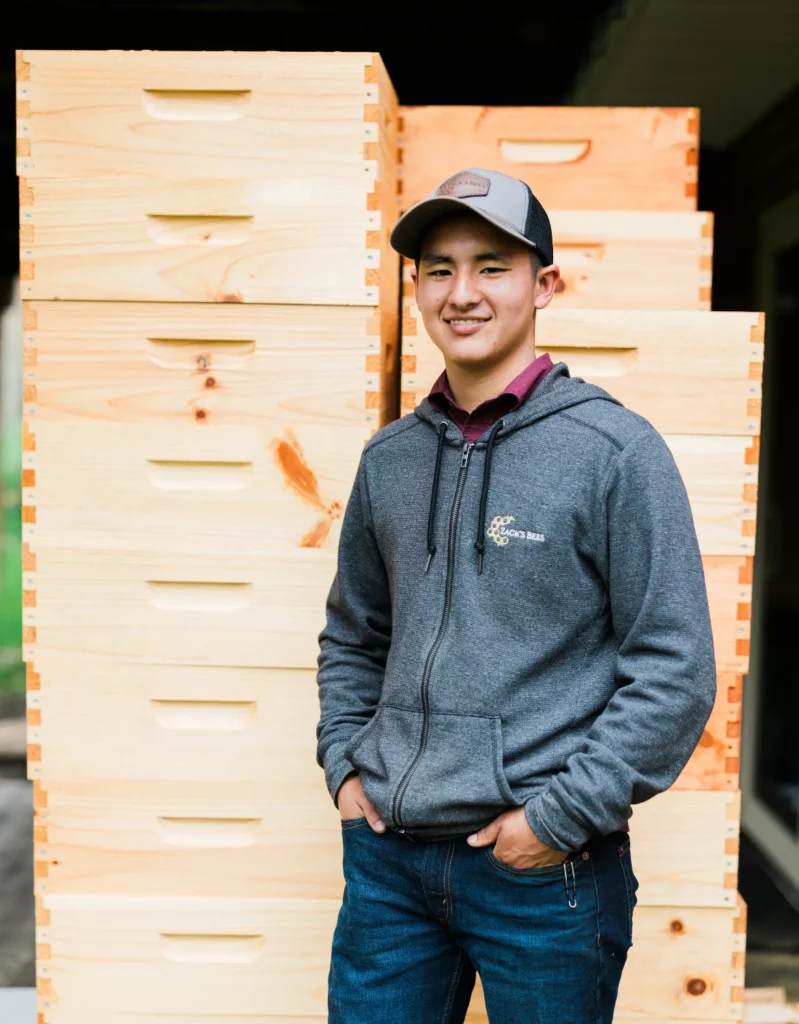
I think a lot of people don’t realize how much work goes into keeping bees healthy and getting the honey from the hive to the bottles. It’s not just putting bees in a box and collecting honey. There’s a lot that happens in between. I spend a lot of time checking hives, making sure the bees have enough food and space, as well as a strong queen. Bees are under a lot of stress from things like pesticides, mites, weather changes, and loss of good forage. Keeping them healthy means staying on top of all that throughout the season. When harvest time finally comes, there’s a lot of work in bringing the honey in from the field and extracting it. Each box of honey can weigh anywhere around 40 to 50 pounds. It’s a big job, but it’s pretty amazing to see the final product and know it all came from the bees you cared for.
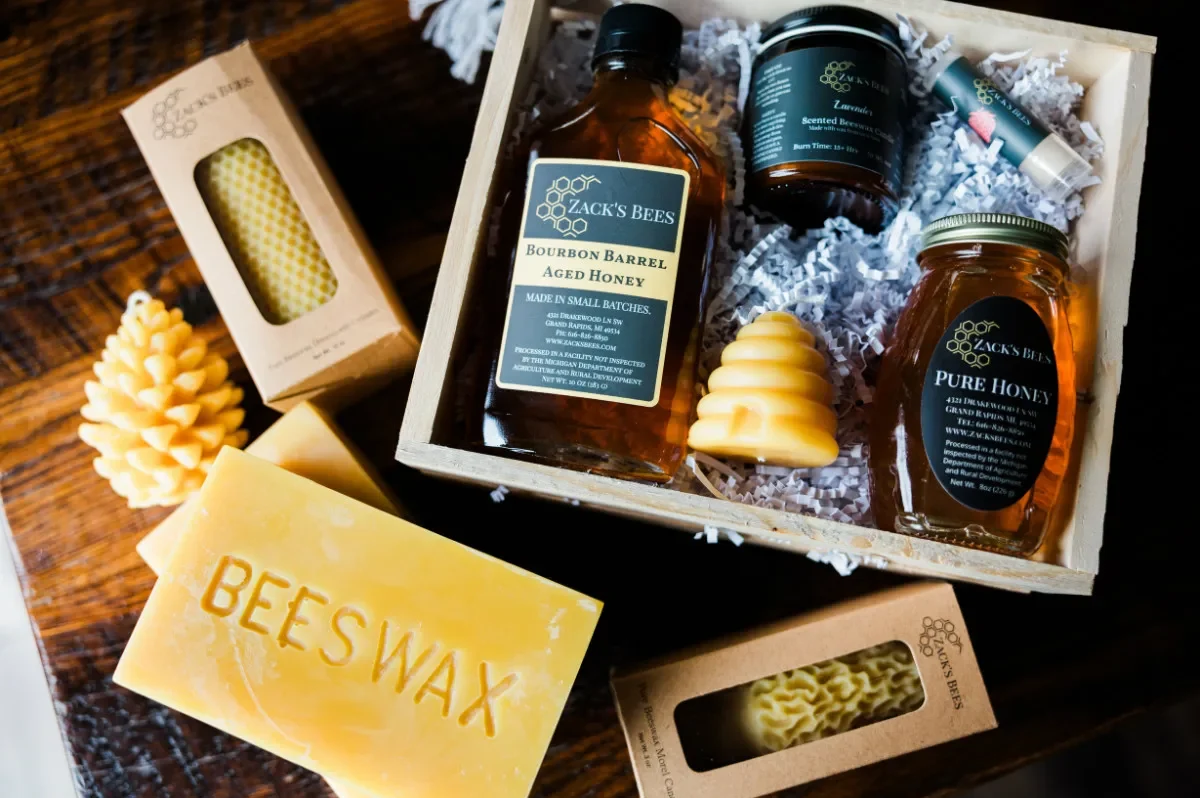
From the beehives to the kitchen, Zack’s story reminds us that each jar of honey carries a season’s worth of care, patience, and purpose. Whether it’s drizzled over warm bread or folded into a family recipe, every passion is made sweeter by the heart behind it.
Check out Zack’s Bees’ website to view locally sourced products and learn more about his business.
Learn more about Zack Sporte and other home cooks in Issue 04: Fruit Ridge. Subscribe today and get the current issue free!
Issue 04: Fruit Ridge is here! To celebrate, we’re giving new subscribers a FREE copy!
Sign up for our newsletter to get exclusive behind-the-scenes stories, home cook spotlights, and more from America’s kitchens—plus receive $10 off your subscription when you join us.